Counselling & Executive Coaching for Senior Professionals
Are you struggling with change, grief, loss, or trying to make sense of difficult thoughts and feelings?
Are you juggling caring responsibilities with a busy life and struggling to find time for yourself?
Are you a professional lacking purpose, feeling burnt out or undervalued, or trying to manage a challenging personal life alongside a busy executive career?
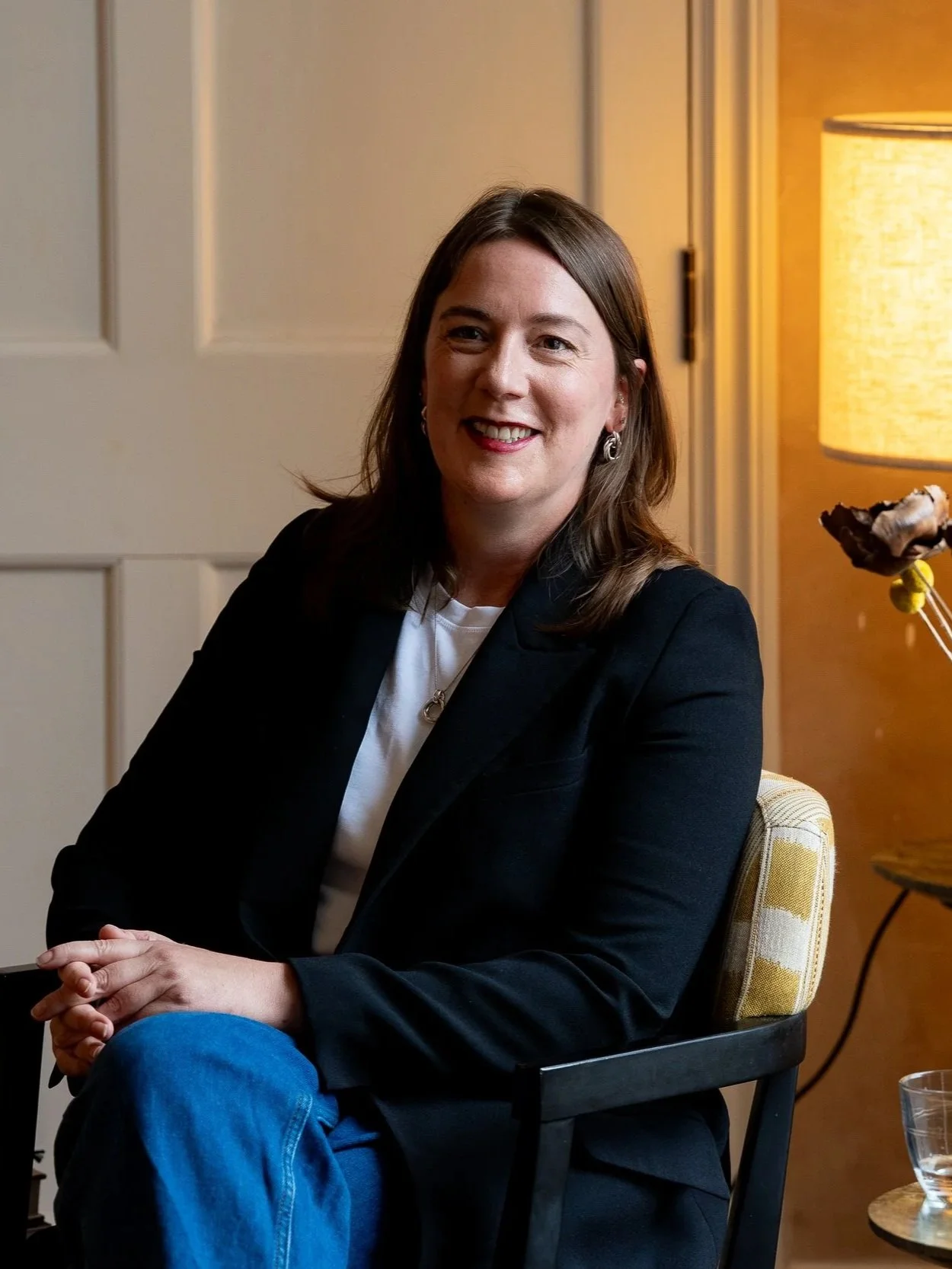
I’m Claire, a qualified counsellor and executive coach, and I specialise in supporting senior leaders in both their personal and professional lives.
At Foreland Practice, I offer weekly or fortnightly counselling and executive coaching by arrangement for organisations and individuals.
You can find out more about me here.
FAQS - The Foreland Practice
-
You may be clear about what you need, but if not this may help. At The Foreland Practice I offer both counselling and executive coaching. They share some skills, but they are different kinds of support. These questions should help you work out which might suit you, and if you're still unsure, we can talk it through together.
What is the main difference between counselling and coaching?
Counselling usually begins with something that hurts. Coaching usually begins with something you want.
In counselling, we make space for what you're carrying, whether that's grief, loss, anxiety, a relationship ending or simply feeling stuck or low. We might look at how your past shapes how you feel now. In coaching, we focus on where you want to go: a goal, a career transition, a leadership challenge or a decision you need to make.
How do I know which one I need?
Counselling may suit you if:
you are struggling emotionally, or something painful is getting in the way of everyday life
you want to understand yourself, your feelings or your patterns more deeply
you have experienced a loss, bereavement or trauma
you would rather not have to set a goal before we start
Coaching may suit you if:
you are broadly coping well and want to move something forward
you have a specific goal, challenge or transition in mind
you want structure, fresh thinking and some accountability
you are a leader looking to develop how you think, lead or communicate
-
Neither counselling nor coaching is regulated by law in the UK, so it is worth checking a practitioner's training and memberships. As a counsellor I am a member of the British Association for Counselling and Psychotherapy (BACP) and follow its Ethical Framework, including regular clinical supervision. As a coach I hold the Professional Certified Coach (PCC) credential from the International Coaching Federation (ICF) and follow its Code of Ethics.
-
I hold a Diploma in Therapeutic Counselling and am a member of the British Association for Counselling and Psychotherapy. I have additional training in working with sexual trauma.
I am a Professional Certified Coach, accredited by the ICF. I am happy to share any evidence of my qualifications and answer any questions you may have about them. Ethical practice is integral to how I work.
-
In counselling, you bring whatever feels most present for you that week. There is no agenda to meet, and the relationship between us is part of how the work happens. In coaching, we agree what you want from each session, explore options and perspectives, and end with clear next steps.
-
Yes, in both. In counselling, confidentiality has a small number of legal and safeguarding limits, which I explain before we begin. In coaching that is paid for by your employer, we agree at the start what, if anything, is shared with them. Usually this is limited to attendance or broad themes you have agreed to. Everything is set out in a written agreement, and I use separate agreements for counselling and coaching.
Request a Consultation
Request a confidential consultation to ask about online counselling, executive coaching, or workplace bereavement consultancy. If you are unsure which service fits, we can discuss the difference before you decide.